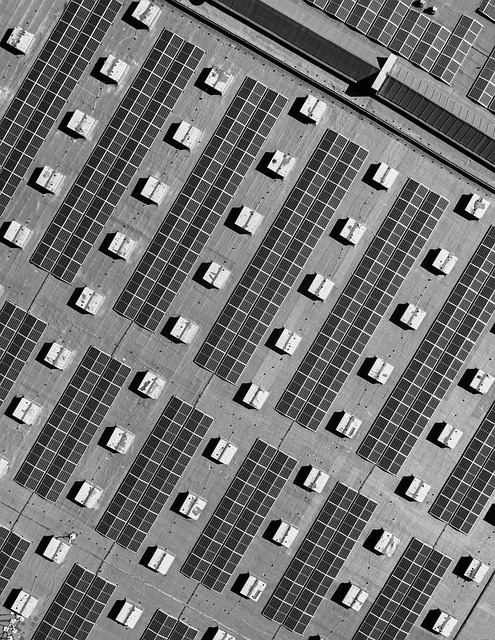


Designing and operating successful commercial solar farms requires a multi-faceted approach:
– Technology & Selection: Choose advanced panels (monocrystalline, polycrystalline, or emerging perovskite cells) from reputable manufacturers with long warranties (25-30 years).
– Financial & Logistical Planning: Compare commercial solar providers, leverage government incentives (e.g., US ITC, PTC), and secure competitive pricing.
– Site Selection: Consider local microclimates, topography, and dust/moisture levels to optimize solar exposure and minimize cleaning needs.
– System Design & Layout: Strategically place panels for year-round energy capture, manage space constraints, and ensure proper ventilation.
– Maintenance & Monitoring: Implement regular maintenance contracts, use monitoring software for data-driven decisions, and track KPIs for optimal performance.
– Financial Viability: Aim for a 5-8 year payback period, explore grants, and partner for net metering to enhance ROI in multi-family housing developments.
In the pursuit of sustainable energy solutions, commercial solar farms stand as a beacon of progress. As businesses seek to reduce carbon footprints and utility costs, designing efficient and profitable solar installations has become an art and science. This ultimate guide delves into the intricacies of creating successful commercial solar farms, addressing site selection, system design, financial planning, and regulatory compliance. By providing a comprehensive roadmap, we empower professionals to navigate this evolving landscape, capitalize on clean energy opportunities, and contribute to a more sustainable future through commercial solar applications.
- Understanding Commercial Solar Farm Basics
- Site Selection for Optimal Solar Exposure
- System Design and Layout Considerations
- Choosing the Right Solar Technology
- Financial Planning and Investment Strategies
- Installation, Maintenance, and Performance Monitoring
Understanding Commercial Solar Farm Basics

Designing a commercial solar farm involves a deep understanding of the technology and its unique application in a business setting. Commercial solar farms, as the name suggests, are large-scale solar installations designed to provide electricity for commercial and industrial purposes. These farms differ from residential solar panels in their size, efficiency, and the number of solar panels involved. A typical commercial solar farm can range from several megawatts to hundreds of megawatts, catering to the energy needs of large facilities like factories, office buildings, and data centers.
The core component of any commercial solar farm is, of course, the solar panels. Advanced solar panel technology, such as high-efficiency monocrystalline or polycrystalline panels, is essential to maximize energy production. When selecting solar panels for a commercial project, it’s crucial to consider not only their efficiency but also the manufacturer’s reputation and the panel’s warranty. Many reputable commercial solar providers offer panels with warranties ranging from 25 to 30 years, ensuring long-term performance and reliability. Regular solar panel maintenance, including cleaning and inspection, is also vital to keep these systems operating at peak efficiency, which is why finding a provider with established maintenance tips can be beneficial. Additionally, exploring solar panel recycling programs is a responsible approach to managing the environmental impact of panel disposal at the end of their lifecycle.
Another critical aspect to grasp when designing a commercial solar farm is the financial and logistical side. Businesses should carefully compare commercial solar providers, evaluating their experience, project scope, and pricing models. Understanding the cost-saving potential of solar energy and the potential returns on investment is paramount. Long-term savings, combined with government incentives and grants, can make commercial solar farms a financially prudent choice. As the solar industry continues to evolve, staying informed about the latest advancements, incentives, and best practices—like comparing solar panel warranties—will ensure that any commercial solar farm design remains cutting-edge and efficient.
Site Selection for Optimal Solar Exposure

Site selection is a critical and complex process when designing a commercial solar farm, as it significantly impacts the overall efficiency and success of the project. The primary goal is to maximize solar exposure, ensuring the most productive energy generation over the long term. This involves careful consideration of various factors, from geographical location to local climate patterns. One of the key advantages of a well-chosen site is the potential for a best-in-class return on investment (ROI) in renewable energy, making it a strategic decision that can set the tone for the entire project.
When evaluating a location, understanding the local microclimates and topography is essential. For instance, areas with consistent clear skies and minimal obstructions like trees or buildings receive more direct sunlight, leading to enhanced solar performance. Topographical features can also play a role; elevated sites can provide better access to sunlight throughout the day, especially in regions with varied terrain. Moreover, considering the orientation of the solar panels in relation to the sun’s path is a practical insight that can maximize energy capture.
Long-term solar savings are a primary driver for commercial solar projects, and site selection is a powerful tool to achieve this. Proper placement can reduce the need for solar panel cleaning, which, according to studies, can be as frequent as 1-3 times annually, depending on the local environment. This is particularly important in regions with high dust or moisture content in the air, as it ensures the panels operate at their optimal efficiency. By carefully considering these factors, project developers can not only enhance energy generation but also streamline maintenance, contributing to the overall success and sustainability of commercial solar farms.
For expert guidance and personalized advice tailored to your specific commercial scale solar project requirements, give us a call. Our team of specialists is ready to navigate these considerations and more, ensuring your solar farm design is optimized for maximum efficiency and profitability.
System Design and Layout Considerations

Designing a commercial solar farm requires meticulous planning and strategic considerations to ensure optimal performance and maximize return on investment. System design and layout are critical components that directly impact the overall efficiency and commercial solar return. A well-thought-out plan can significantly enhance the production capabilities and longevity of the solar array.
One of the primary objectives is to align the solar panels with the highest energy demand areas, optimizing shade-free spaces. Strategic placement involves considering building overhangs, surrounding vegetation, and structural elements that might cast shadows. For instance, positioning panels to face south (in the Northern Hemisphere) or north (in the Southern Hemisphere) maximizes direct sunlight exposure, enhancing energy generation. Furthermore, adjusting the tilt and azimuth of the panels relative to the sun’s path is crucial for capturing the most energy throughout the year. Utilizing advanced modeling software and historical weather data can help commercial solar installation companies near me predict energy output and make informed decisions.
Efficient layout design also entails managing physical space constraints. Commercial solar farms must accommodate panel mounting, wiring, and equipment while ensuring proper ventilation and maintenance accessibility. A smart layout reduces the risk of shading and allows for easy access during maintenance checks. For instance, a modular design approach, where panels are arranged in organized sections, facilitates maintenance and future expansions. Additionally, incorporating ground-mounted or rooftop systems, depending on the available space and structural integrity, can optimize energy production while considering the overall aesthetic appeal.
To ensure a robust and sustainable commercial solar solution, it’s essential to partner with reputable solar installation companies. These experts can provide tailored advice, considering local regulations and incentives. Moreover, giving us a call at commercial solar panel warranties can offer peace of mind, as proper system design and layout translate to longer-lasting equipment and increased commercial solar return on investment over time. By balancing aesthetic considerations with technical requirements, commercial solar farms can become powerful energy generators while contributing to a greener future.
Choosing the Right Solar Technology

When designing a commercial solar farm, selecting the appropriate solar technology is a pivotal decision that significantly impacts efficiency, cost-effectiveness, and long-term performance. The market offers various options, from crystalline silicon (Si) panels to thin-film alternatives like copper indium gallium selenide (CIGS). For instance, traditional Si panels dominate due to their proven track record, high efficiency rates, and advanced manufacturing processes. However, emerging technologies like perovskite solar cells present intriguing possibilities with higher power outputs and lower production costs, making them attractive for large-scale projects.
Commercial solar farms benefit from regular maintenance, a factor that influences the overall return on investment (ROI). Implementing structured solar panel maintenance tips can extend equipment lifespan and maintain optimal performance. Professional solar maintenance contracts for businesses are invaluable tools, ensuring timely cleaning, inspections, and repairs. Regular assessments help identify potential issues early, preventing minor problems from escalating into major, costly repairs. For instance, a study by the Solar Energy Industries Association (SEIA) revealed that well-maintained solar arrays can operate at 90% capacity or higher for over 25 years.
Tax credits and incentives play a crucial role in making commercial solar power more accessible and affordable. Many governments offer tax credits for adopting renewable energy, providing substantial financial benefits to businesses. For example, the United States’ Investment Tax Credit (ITC) and Production Tax Credit (PTC) have significantly stimulated solar adoption among small business owners. By availing these incentives, companies can offset installation costs and accelerate their return on investment. As a professional in this field, we encourage small business owners to explore these options and give us a call at Solar For Small Business Owners to discuss tailored solutions that maximize savings through commercial solar technology and tax benefits.
Financial Planning and Investment Strategies

Designing a commercially viable solar farm requires strategic financial planning to ensure long-term success and a robust return on investment (ROI). For multi-family housing developments, commercial solar is a powerful tool for reducing energy costs and enhancing property values. According to recent data, solar for multi-family housing has seen a significant surge in adoption, with installations growing at a compound annual rate of 25% since 2015. This trend underscores the immense potential for investors to achieve excellent ROI in renewable energy projects.
One of the key advantages of commercial solar farms is the opportunity for businesses to gain energy independence. By generating their own electricity, companies can significantly reduce reliance on traditional grid-based power sources, which can be volatile and costly. Solar offers a stable, long-term solution that can decrease operational expenses by 30-70%, depending on location and energy usage patterns. Moreover, the best ROI in renewable energy is often achieved through strategic partnerships and incentive programs, such as net metering, where excess energy produced can be fed back into the grid for credit.
When planning a commercial solar project, it’s crucial to conduct thorough site assessments and financial modeling. This process involves evaluating factors like sunlight exposure, shading analysis, and energy consumption patterns unique to each property. Expert advisors suggest that businesses should aim for a pay-back period of 5-8 years, which typically translates to an attractive ROI. For instance, a large-scale solar farm on a manufacturing plant site could achieve a payback period as short as 3 years, thanks to the high energy consumption and significant cost savings. Visit us at solar for manufacturing plants to learn more about optimizing these projects. Practical steps include securing competitive pricing from panel manufacturers, exploring government grants and rebates, and engaging experienced developers who can navigate complex financing options, ensuring that every aspect of your commercial solar farm is designed for financial success.
Installation, Maintenance, and Performance Monitoring

Designing a commercial solar farm requires meticulous planning and execution, with particular focus on installation, maintenance, and performance monitoring. These stages are the backbone of ensuring your solar farm operates at peak efficiency, delivering the best return on investment (ROI) in renewable energy. Installation involves strategic placement of solar panels, structural support, and electrical infrastructure to maximize sunlight absorption and minimize shading. It’s crucial to engage expert installers who understand local regulations and best practices, ensuring your solar farm is not only compliant but also optimized for performance.
Once installed, regular maintenance becomes paramount. A well-maintained solar farm can expect extended lifespan and enhanced performance. This includes routine inspections, cleaning, and system checks to identify and rectify any issues promptly. Proactive maintenance strategies, such as leveraging solar farm monitoring software, enable continuous performance tracking, early detection of equipment malfunctions, and data-driven decisions for improved efficiency. For instance, monitoring software can pinpoint underperforming panels or inverters, allowing for targeted maintenance and cost savings.
Performance monitoring is integral to the long-term success of a commercial solar farm. It involves tracking key performance indicators (KPIs) such as energy generation, system uptime, and overall efficiency. By analyzing these metrics, facility managers can make informed decisions to optimize energy output and ensure the solar farm aligns with its intended production targets. For industrial facilities looking to integrate solar power, this data-driven approach can lead to significant energy cost savings and a more sustainable operational footprint. As previously mentioned, leveraging solar for manufacturing plants can offer a compelling path to reducing energy bills and enhancing environmental responsibility.
To stay ahead, consider adopting innovative monitoring solutions and integrating them into your facility management strategy. These tools not only provide real-time insights but also historical data, enabling you to anticipate trends, forecast maintenance needs, and maximize the value of your commercial solar investment. Remember, the ultimate goal is to harness the power of the sun for sustainable energy generation, and a robust installation, maintenance, and monitoring strategy is the key to achieving this in industrial-scale solar projects. Find us at solar for manufacturing plants for expert guidance tailored to your specific needs.
Designing a commercial solar farm requires a multifaceted approach, as this authoritative guide has detailed. From understanding the basics of commercial solar to choosing the right technology and financial planning, each step is crucial for a successful and profitable project. Optimal site selection ensures maximum solar exposure, while thoughtful system design and layout considerations maximize energy output. Effective maintenance and performance monitoring are essential for long-term success. By synthesizing these key insights, readers are now equipped with the knowledge to navigate the complex world of commercial solar farm development, leveraging the power of clean energy for a sustainable future.